Professional work · Unity Developer
VXRLabs
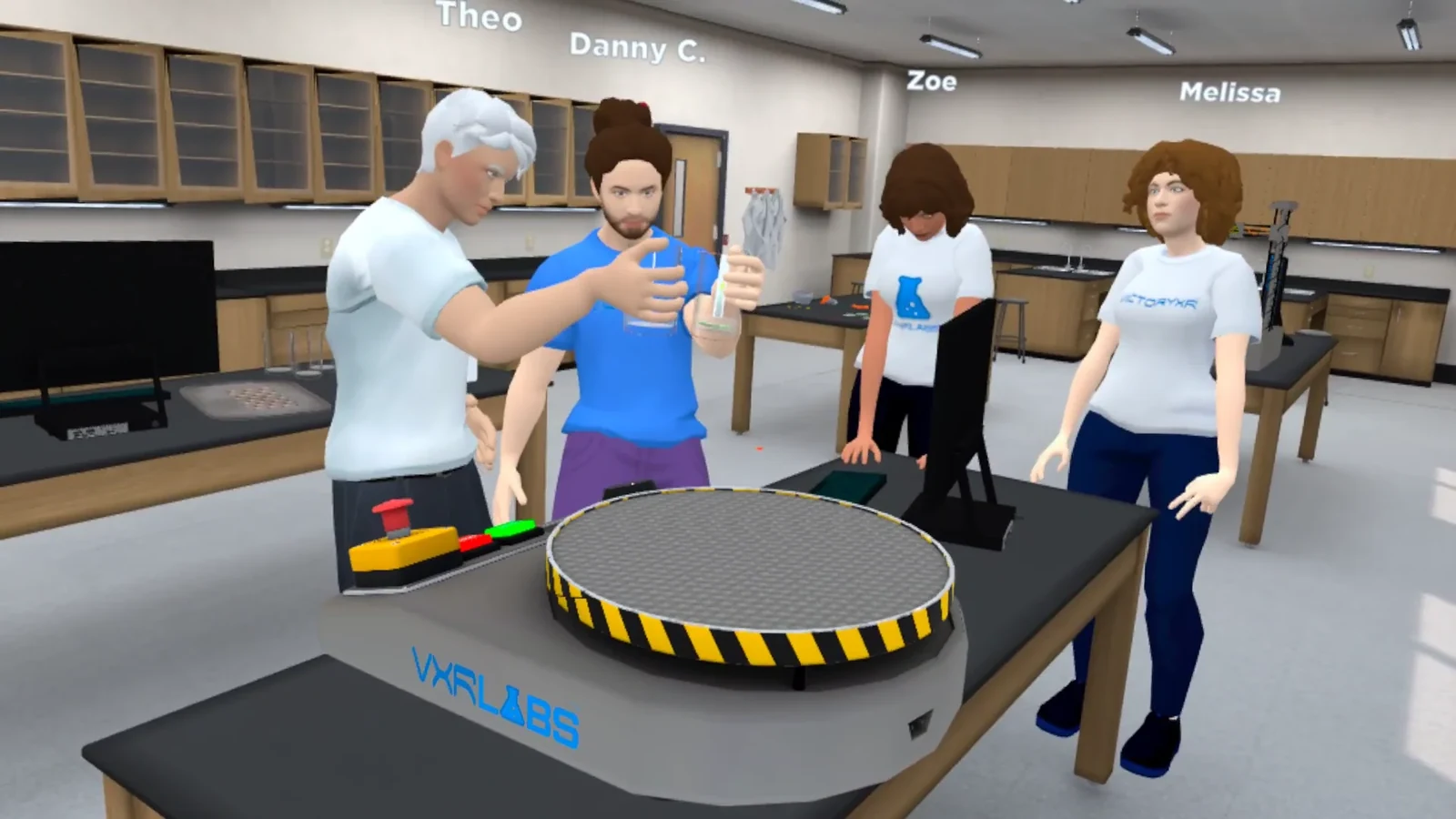
When one student turns a piece of lab equipment, their partner sees it move. I built and tested the networked grab and placement interactions in Unity.
Zach Little / Unity & C#
I build player movement, combat abilities, and multiplayer interactions in Unity. When a student picks up a tool in VR, my code lets their lab partner see it move. I’ve also worked with educators and artists to turn museum artifacts into clues students can use to solve puzzles.
Open to gameplay engineering roles, especially on MMO teams
Start with VXRLabs for multiplayer physics, Strider Voyager XR for reusable gameplay systems, or Lore & War for combat AI. For third-person movement, see Sanctuary.
Professional work · Unity Developer
When one student turns a piece of lab equipment, their partner sees it move. I built and tested the networked grab and placement interactions in Unity.
 Illustrative artwork
Professional work · Lead Unity Developer
Stride supplied the storyboards. I built the reusable Unity systems that turned them into 13 browser-based science and math activities.
Personal game · Gameplay programmer & designer
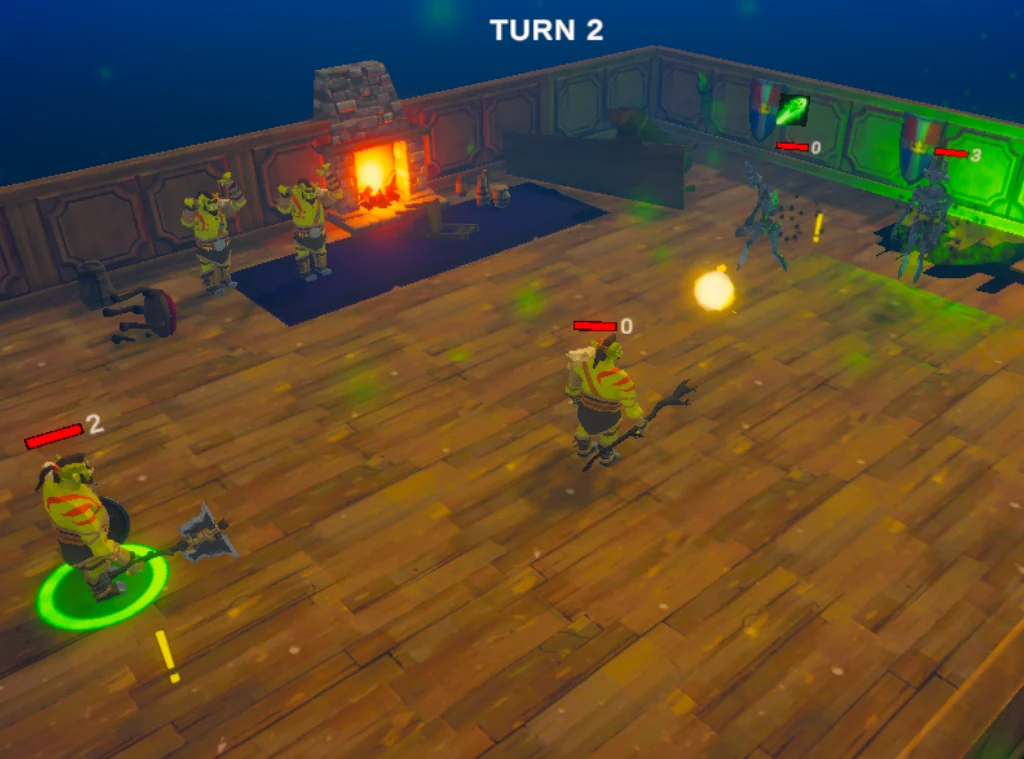
A tactics prototype about choosing where to stand and when to spend an ability. I programmed the turn order, cooldowns, and enemy targeting.
Professional work · Lead Unity Developer & Designer
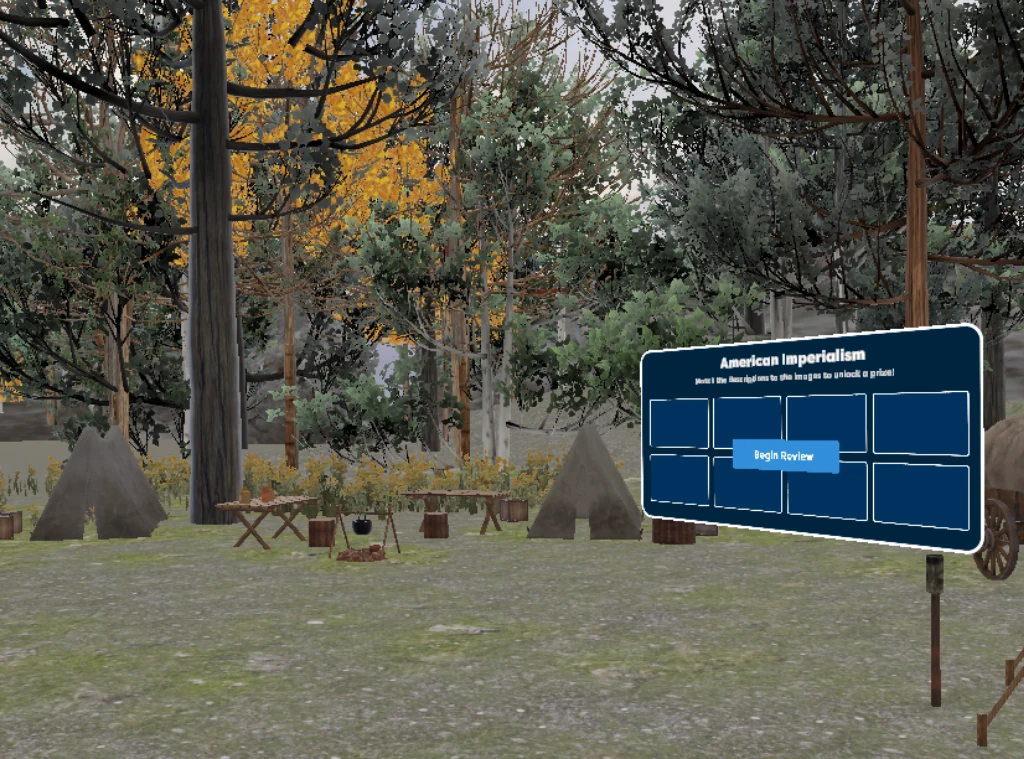
I worked with educators and artists on five browser-based museum buildings. I built the artifact collection and review games and streamed the exhibits as students explored.
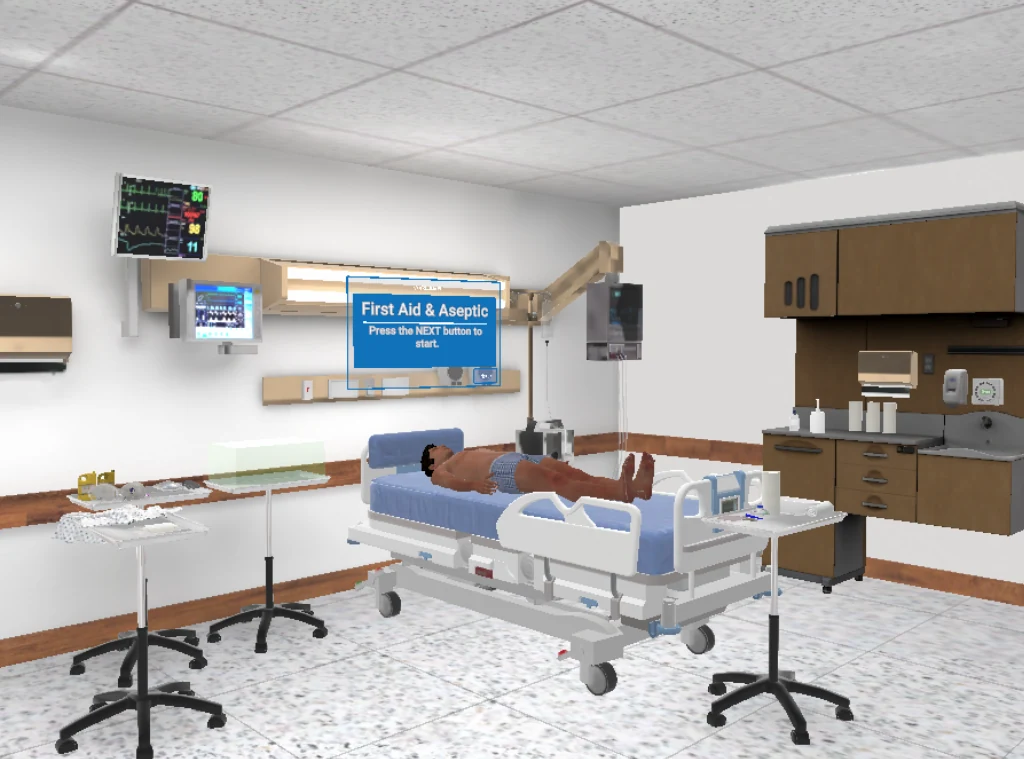
Professional work · Lead Unity Developer
I built tool handling, snap-to-placement interactions, and real-time feedback so learners could practice clinical procedures in VR.
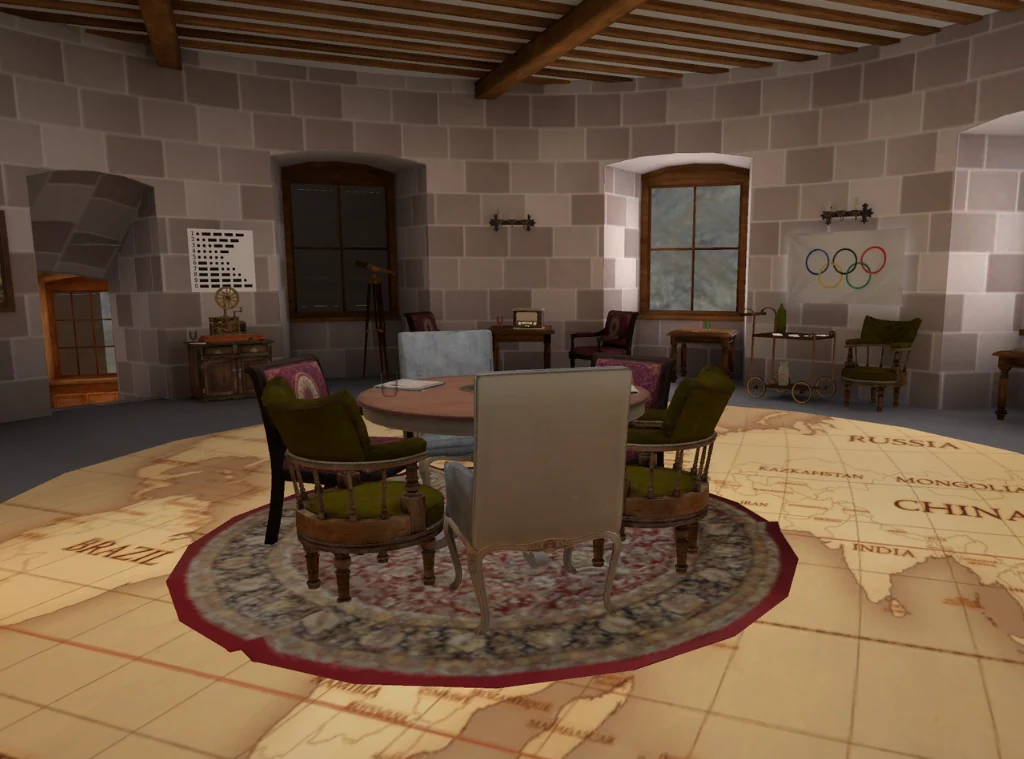
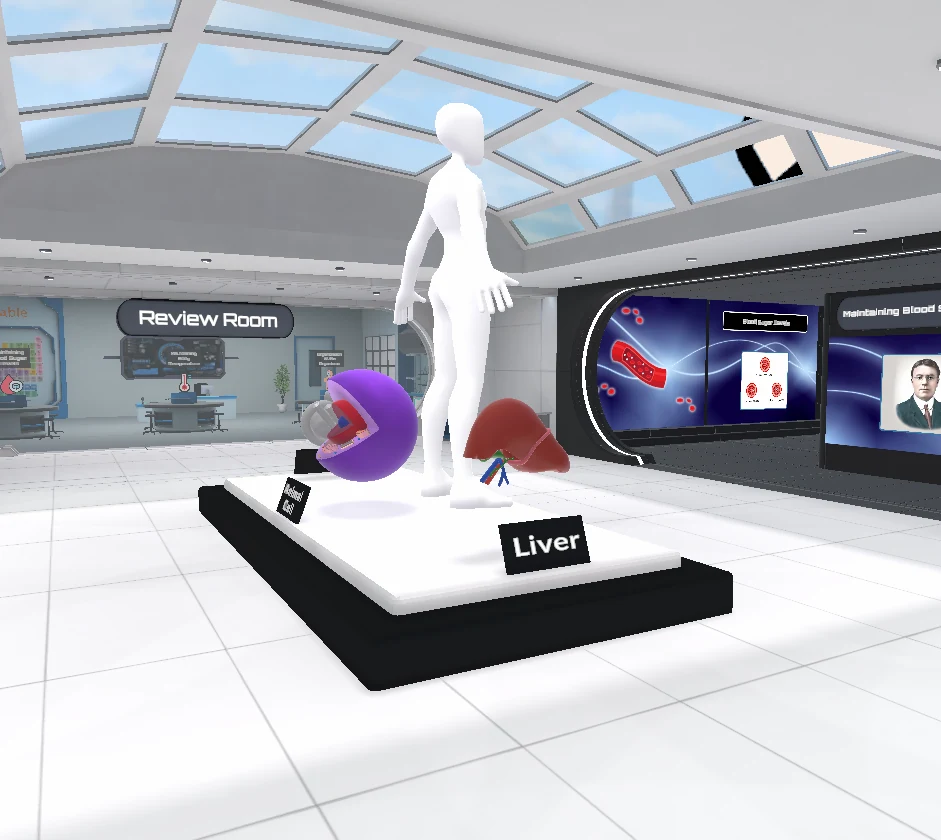
Professional work · Lead Unity Developer & Designer
I connected five WebGL exhibits through a campus hub and built the drag-and-drop, sequencing, and quiz activities inside them.
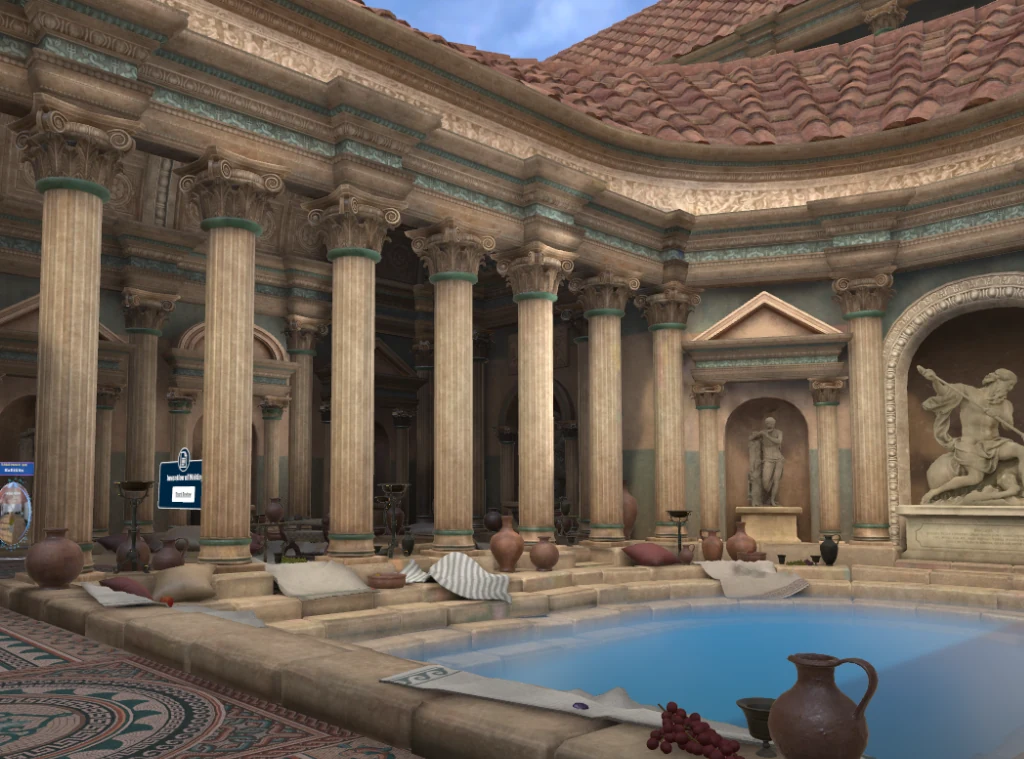
Professional work · Lead Unity Developer & Designer
I programmed the artifact collection and review minigames, and designed exhibit layouts for each historical period.
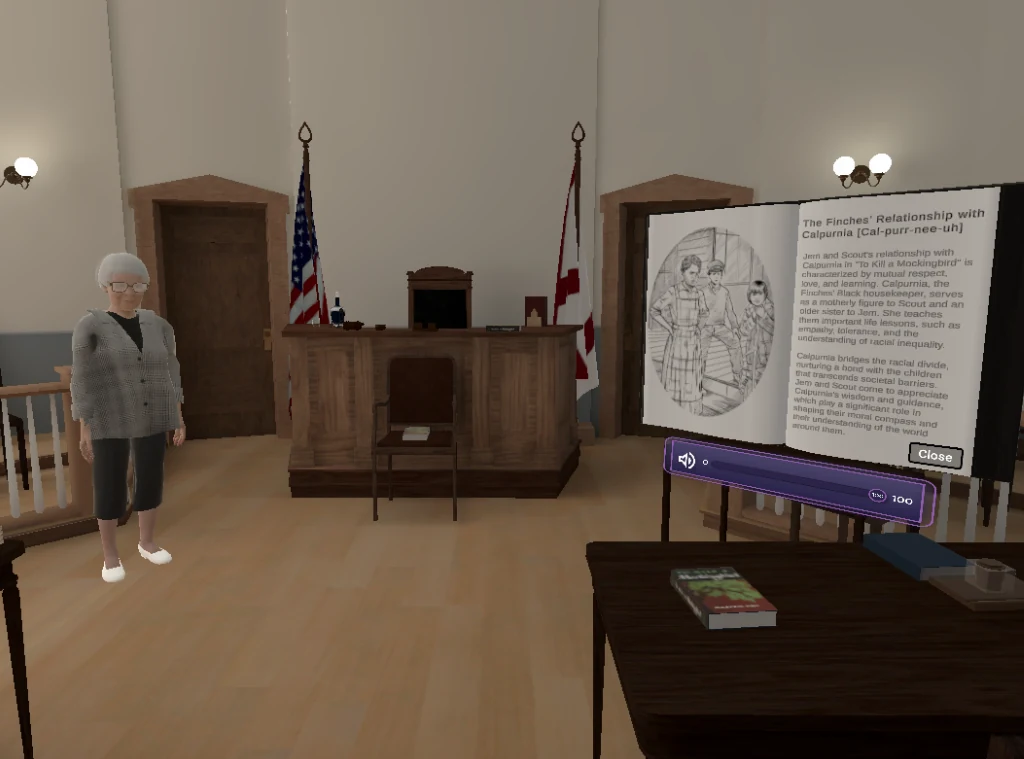
Professional work · Lead Unity Developer & Designer
I rebuilt the courthouse in Unity and tied narration to locations so readers could explore the novel chapter by chapter.
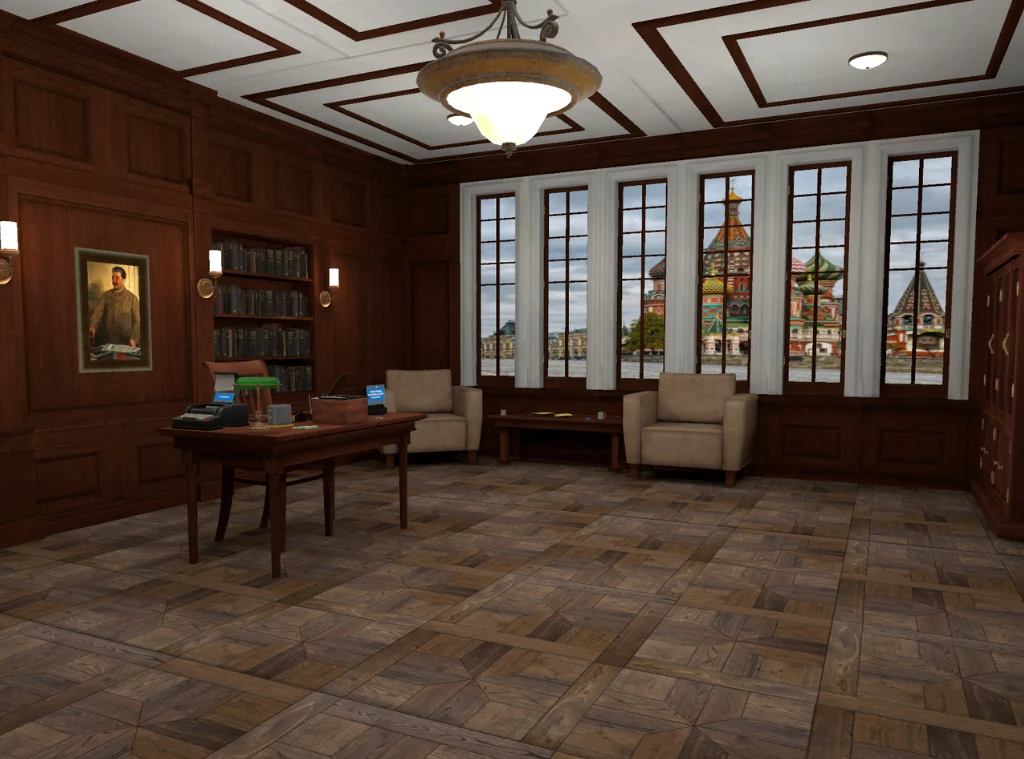
Professional work · Lead Unity Developer & Designer
I coded the decryption puzzles and in-game codex, then adapted the VR clues and assets for browser play.
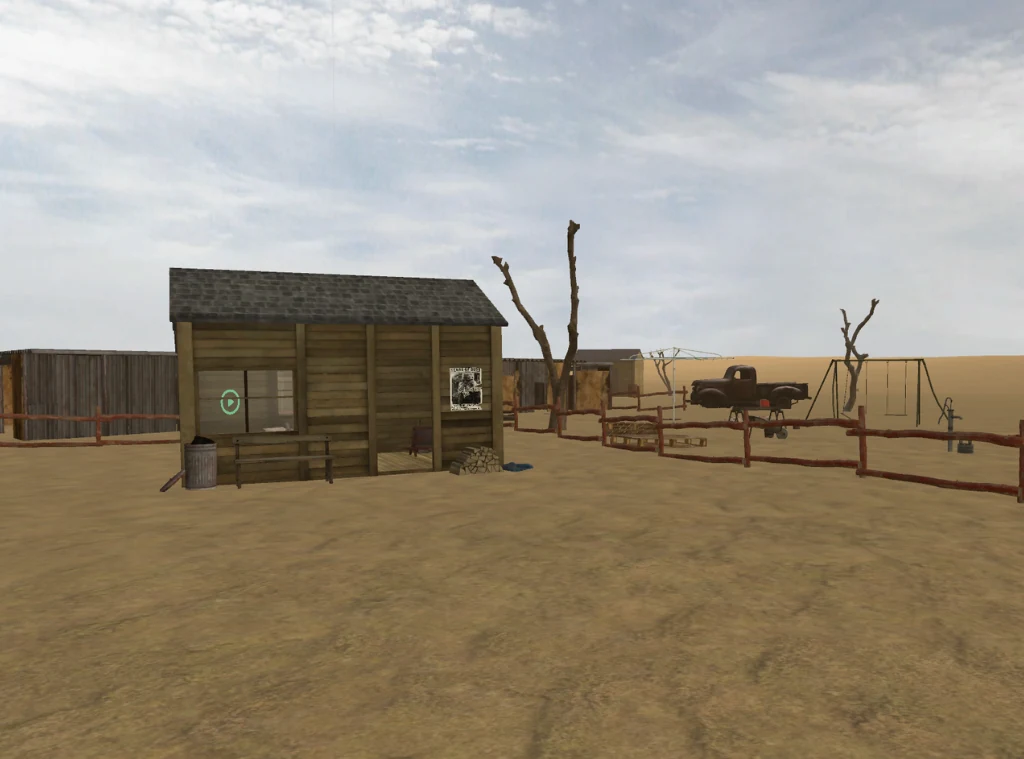
Professional work · Lead Unity Developer & Designer
I programmed collectible artifacts and interactive jobs, and optimized the historical environments for VR and WebGL.
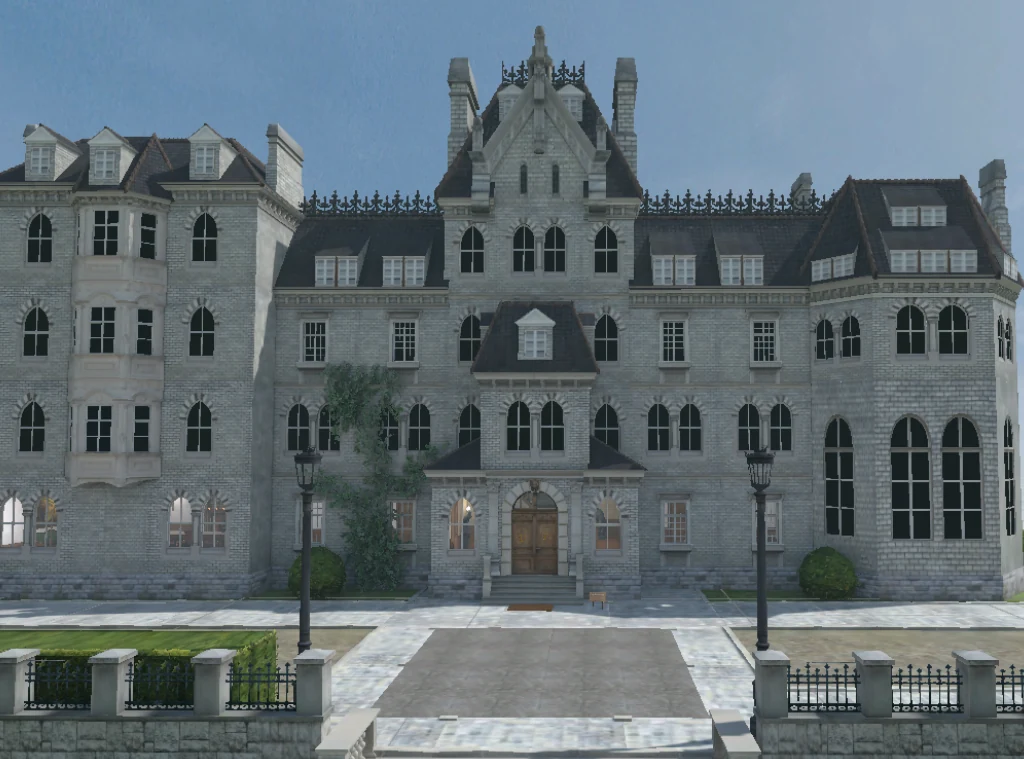
Professional work · Lead Unity Developer & Designer
I turned details from the novel into VR puzzles, including a letter lock, hidden keys, and a color-matching circuit.
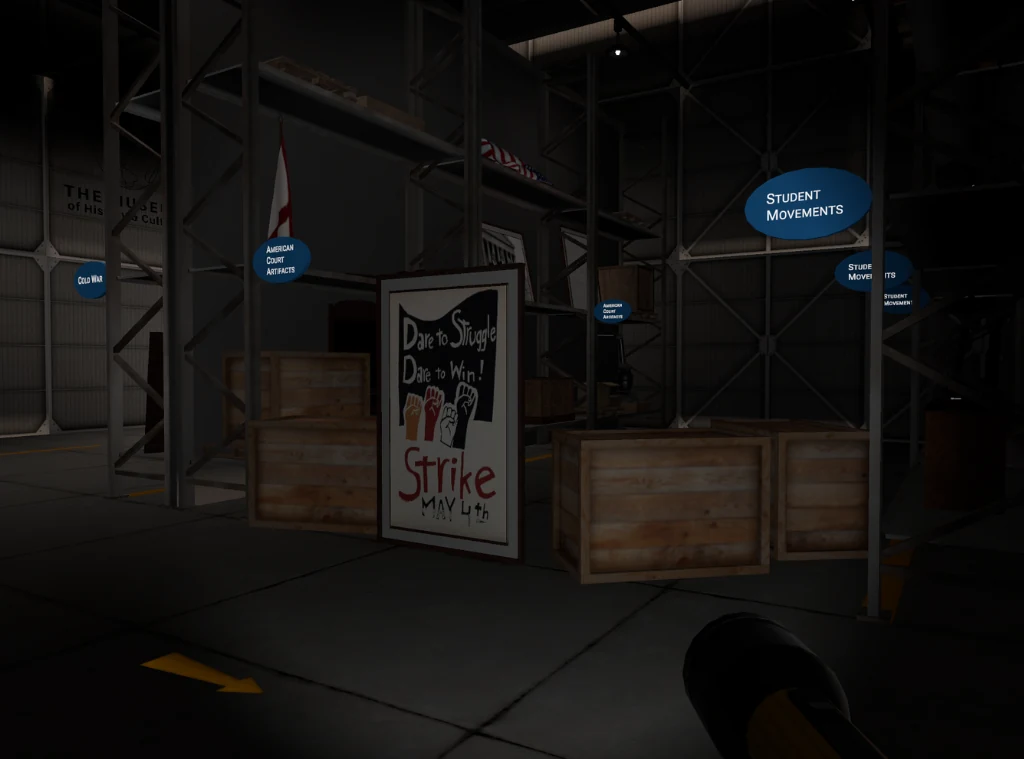
Professional work · Lead Unity Developer & Designer
I designed the warehouse search and programmed artifacts that reveal historical figures as holograms.
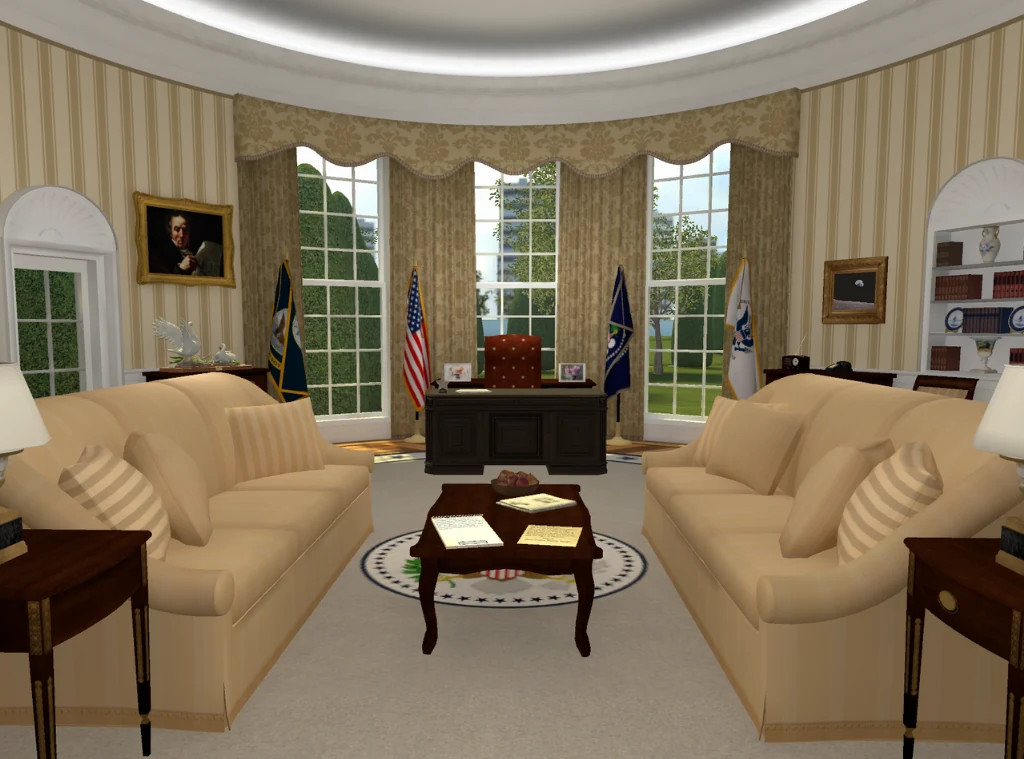
Professional work · Lead Unity Developer & Designer
I scripted clue collection in the Oval Office and the progression that unlocks the final Watergate audio reveal.
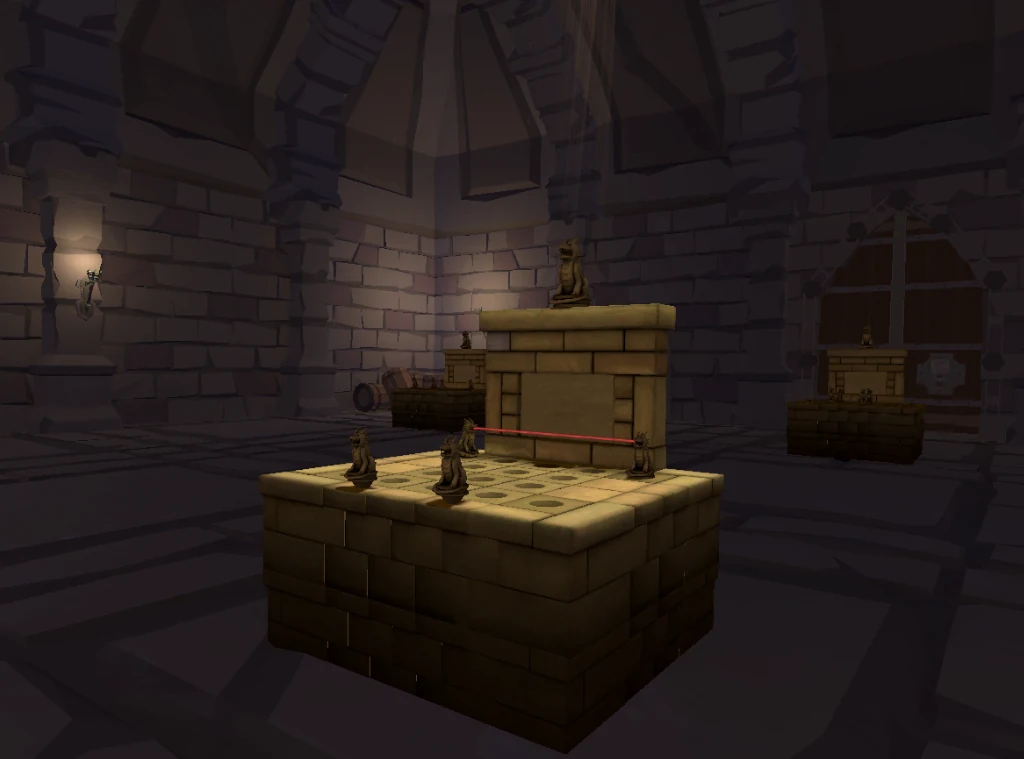
Professional work · Lead Unity Developer & Designer
I built a grid-based laser puzzle in which players move objects to redirect beams through the level.
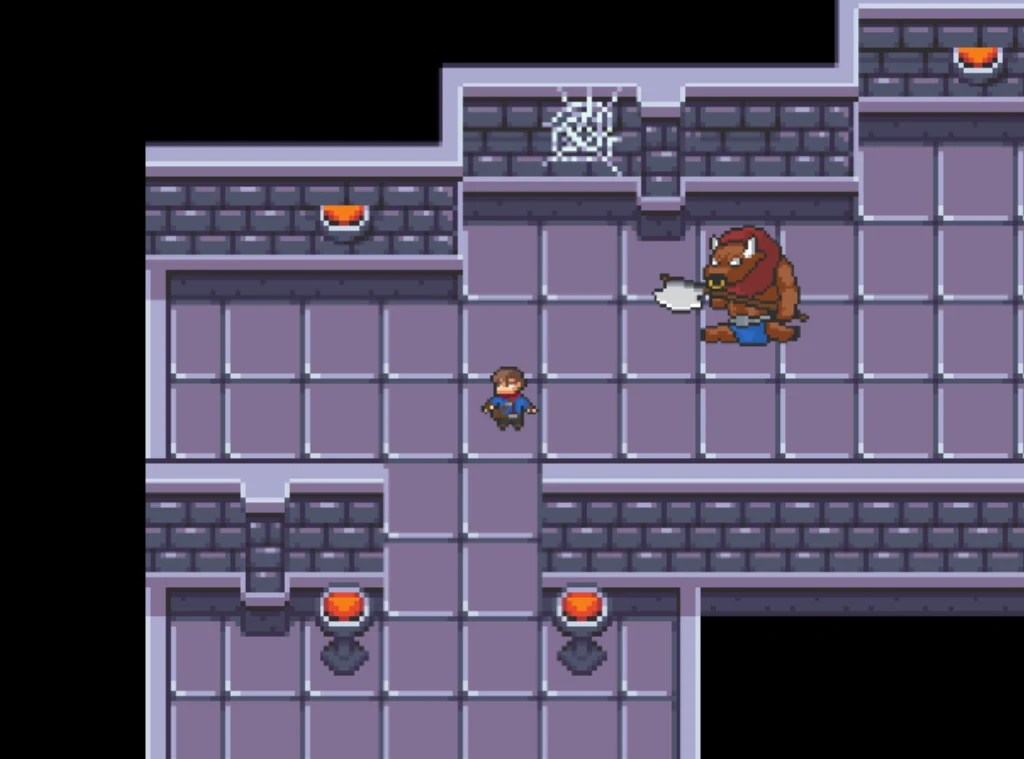
Personal game · Solo Developer
I programmed turn-based battles and enemy behavior, drew the sprites, and wrote the branching dialogue.
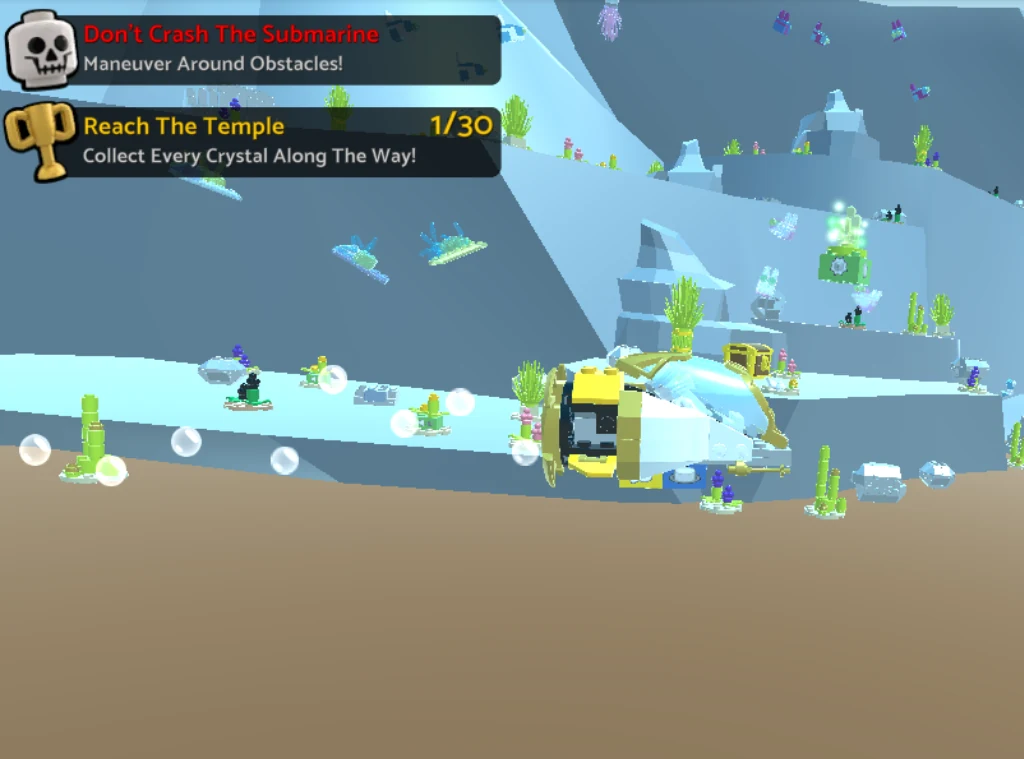
Personal game · Game Developer & Designer
I designed the one-button dive control, built the underwater obstacle course, and placed 30 collectible crystals.
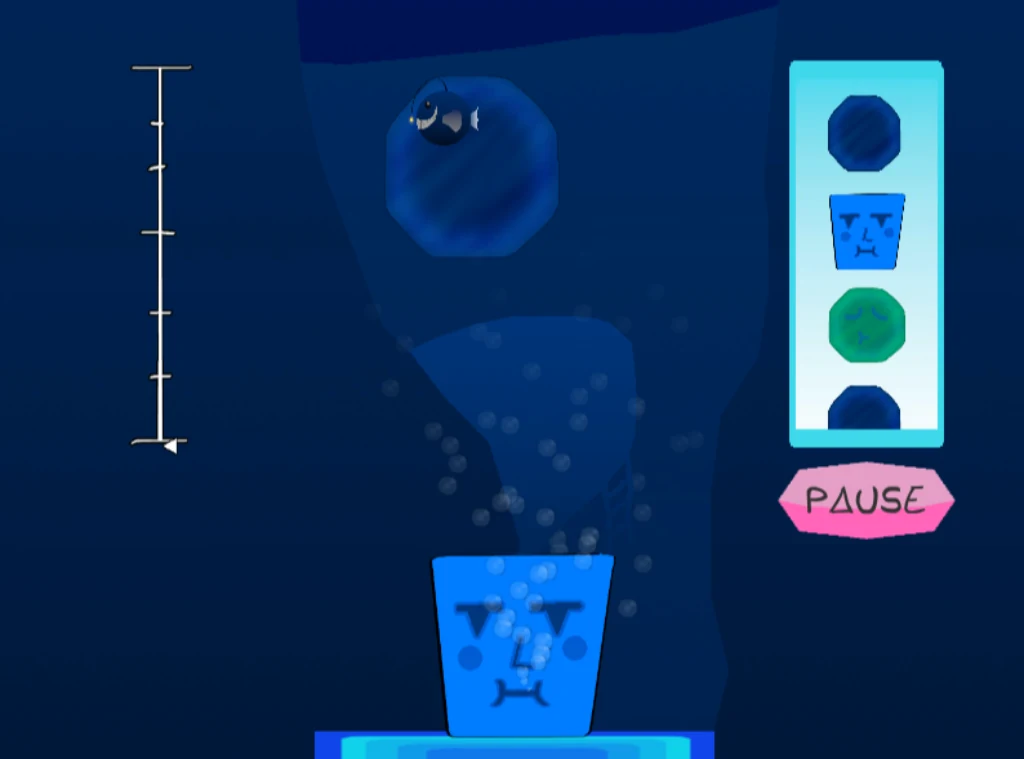
Personal game · Lead Programmer
I worked with the lead developer and sound designer on a block-stacking game. My part was the falling blocks, the collisions, and the shark that can knock a tower over.
Third-person movement, camera, and animation.
Movement follows the camera. The character can sprint, double-jump, glide, and attack, all through the same third-person controller.
I connected Unity’s Input System to Cinemachine and Animator. Landing from a glide is one example of that work. The controller changes state, and a blend tree brings the character back into its ground animation.

I test a multiplayer interaction from both sides of the lab bench. A Unity joint limits how far a handle can turn, and Photon keeps its movement in sync. I check both headsets to see whether the handle stops at the same angle for the person turning it and the person watching.
For turn-based combat, I’ve programmed ability cooldowns, turn order, and the rules enemies use to choose a target. On an MMO team, I’d like to work on player abilities and combat feedback so party members can read each other’s actions and time their next move.
First-person exploration and third-person movement in C#. I use the Unity Input System for input, Cinemachine for the camera, and Animator to carry a character from one movement state into the next.
With Auto Hand and Unity joints, a player can pick up a tool or turn a handle as far as its hinge allows. Photon keeps that movement in sync across headsets.
In WebGL, I build the systems behind selection, narration, and progression. A student can replay a prompt, check an answer, or return to an activity they’ve finished.
I use the Unity Profiler to trace slow loads, then tune assets and memory use for the target device. That work cut load times by up to 30% across WebGL and Meta Quest builds.
Based in North Carolina and open to relocation for a gameplay engineering role.